Zero-Click Search Is the AI Search Era: Why Nobody Clicks Anymore (And What Wins Instead)
The click is dying. Not slowly — quickly, and inside every AI platform your buyers use.
Zero-click search — search sessions that end without the user visiting any source website — was already a majority behavior in Google by 2020. Then ChatGPT, Perplexity, Gemini, and Google AI Overviews arrived and turned the trend into the default. Now the click is the exception, not the outcome.
This is what Profound’s Zero Click event series (Zero Click NYC, Zero Click SF, Zero Click London) was built to name. Here’s what zero-click actually means in the AI search era, what changes for your content strategy, and what wins when nobody clicks anymore.
What Is Zero-Click Search?
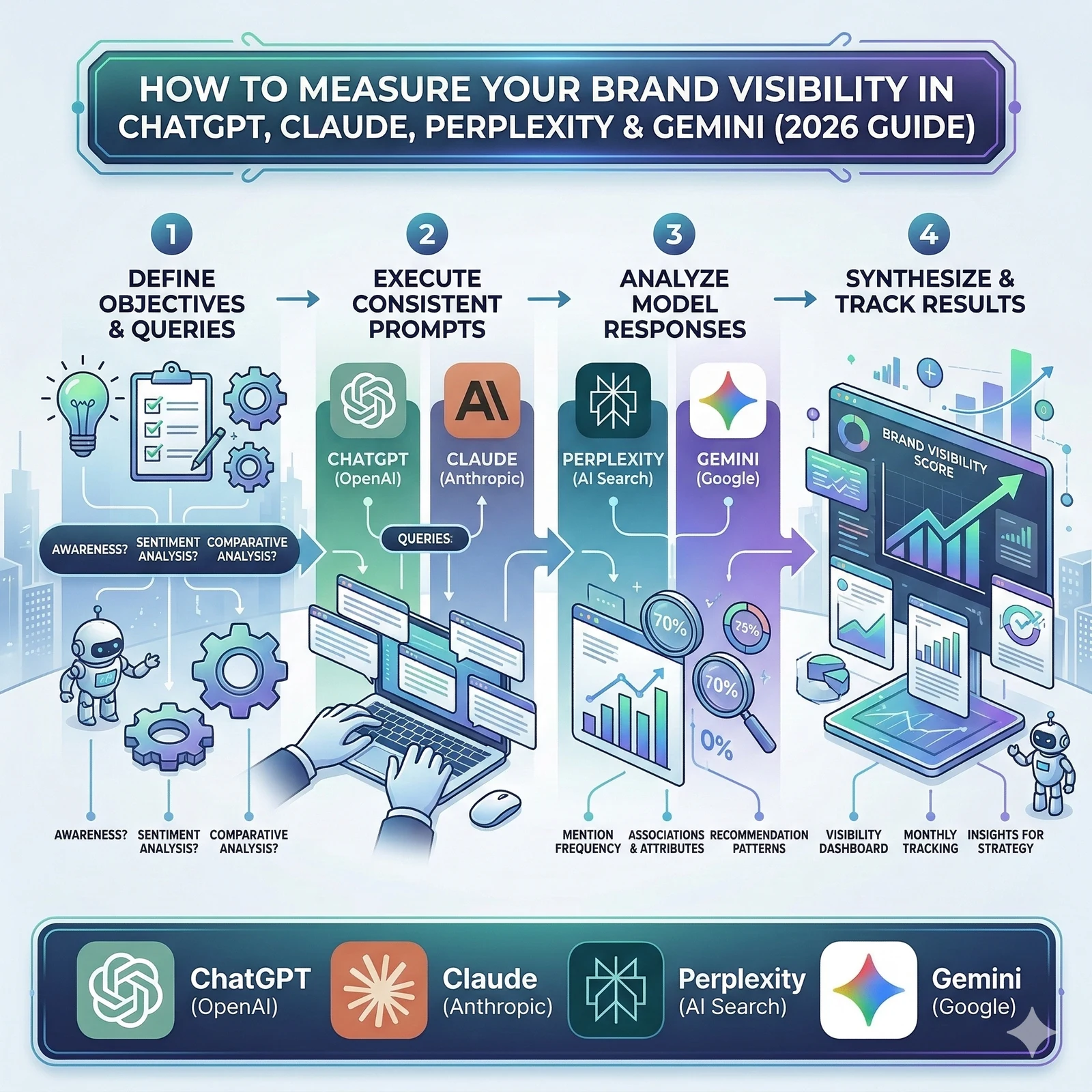
Zero-click search is a search session that ends without the user clicking through to any source website. The user gets their answer directly on the results surface — inside a Google AI Overview, a featured snippet, a ChatGPT answer, a Perplexity synthesis, or a voice-assistant response — and never visits the site the answer was drawn from.
Zero-click is not new. SparkToro’s research showed ~65% of Google searches ended without a click by 2020, driven by featured snippets, People Also Ask, knowledge panels, and direct-answer widgets. What the AI search era changed: the answer became complete.
A featured snippet in 2019 gave you a 50-word summary and users still clicked for context. A ChatGPT or Gemini answer in 2026 gives you a full multi-paragraph response with reasoning, comparisons, and recommendations. Clicking becomes redundant. The answer is the destination.
Why the AI Search Era Made Zero-Click the Default
Three shifts turned zero-click from majority behavior into near-universal behavior inside AI platforms.
1. Generative Answers Are Complete Answers
When an AI model synthesizes a full response — “here are the three best CRMs for a 10-person sales team, ranked with reasoning” — the buyer has what they need. The blue-link click was an artifact of incomplete answers on results pages. Complete answers don’t need clicks.
2. Voice and Assistants Are 100% Zero-Click by Design
Alexa, Siri, Google Assistant, and every voice interface return a single spoken answer. There is no click event. The entire voice-search surface is zero-click as an architectural constant.
3. The AI Interface Is Conversational, Not Referral
Users go to ChatGPT to have a conversation, not to find a website. The mental model is closer to asking a colleague than searching a directory. Colleagues don’t send you links to click; they give you the answer. AI interfaces inherited that mental model.
The result: estimates vary but 70–90% of AI answer sessions resolve zero-click. The click is the exception, concentrated on complex research queries where users want to verify sources or dig deeper.
Did ChatGPT Actually Start Embedding Links — And Did Traffic Go Up?
One of the most-searched Reddit questions in the zero-click category: “chatgpt started embedding links and traffic went up” — is that real?
Yes and no. Here’s the honest breakdown:
- Yes, ChatGPT rolled out visibly embedded inline source citations in stages during 2025 and 2026. Where the citations were previously buried behind small superscript numbers most users ignored, the new format is more prominent and actionable.
- Yes, referral traffic to cited websites went up meaningfully for the domains most frequently cited by ChatGPT. This is a real, growing referral channel — trackable in Google Analytics as
chat.openai.comandchatgpt.comreferrers. - But total ChatGPT sessions still resolve overwhelmingly zero-click. The referral channel is real, it’s growing, and it’s still the minority of the underlying traffic ChatGPT is intercepting.
The strategic takeaway: you now have two AI-derived outcomes to measure — the citation event inside the AI answer (zero-click brand exposure) and the referral click when it happens (measurable in analytics). Sanbi.ai tracks both. Full mechanics in our ChatGPT rank tracking guide.
The Profound Zero Click Series: What It Actually Is
Profound Zero Click — the event franchise from Profound AI at tryprofound.com/zeroclick — includes:
- Zero Click NYC — the flagship US event (tryprofound.com/zeroclick/ny)
- Zero Click SF — the West Coast edition (tryprofound.com/zeroclick/sf)
- Zero Click London — the European edition
- The Zero Click research hub — Profound’s content library on the zero-click thesis
Profound built the Zero Click brand as a category convener — in-person events for marketing engineers, brand teams, and AI visibility practitioners building programs for the AI era. The thesis is directionally correct: traditional SEO metrics are becoming lagging indicators, and citation frequency inside AI answers is the new leading indicator.
Attending Zero Click events is useful for community and category education. It is not a prerequisite for running an AI visibility program — the underlying discipline (multi-model citation tracking, AEO/GEO content, prompt monitoring) is available through every serious AI visibility platform. For the full alternatives breakdown, see our Profound alternatives guide.
Is Zero-Click Killing SEO?
Zero-click is not killing SEO — it is transforming what SEO measures.
Traditional SEO measured rankings and clicks. Zero-click reality forces SEO to measure two additional things:
- Citations inside AI answers where the user never clicks. Still a brand exposure event. Still shapes downstream purchase intent. Invisible to Google Analytics, visible to AI visibility platforms.
- The fraction of AI sessions that do click through. Real referral traffic, from ChatGPT, Perplexity, Gemini, and Google AI Overviews to your site. Growing channel worth explicit tracking.
The underlying content strategy that wins in the zero-click era — direct-answer content, schema, citable statistics, comparison pages — is the same content strategy that ranks well in traditional Google. SEO is expanding, not dying.
Our AI search is the new SEO breakdown and the complete AEO guide cover the additive strategy in depth.
How to Track Zero-Click AI Sessions
Zero-click AI sessions are invisible to Google Analytics. The user never landed on your site, so there is no session to record. The pattern is visible from the search side too: in our Search Console study, nearly 1 in 4 queries reaching our site were machine-generated — and none of them clicked. This is the measurement gap that AI visibility platforms exist to close.
The tools that measure zero-click AI visibility work the same way:
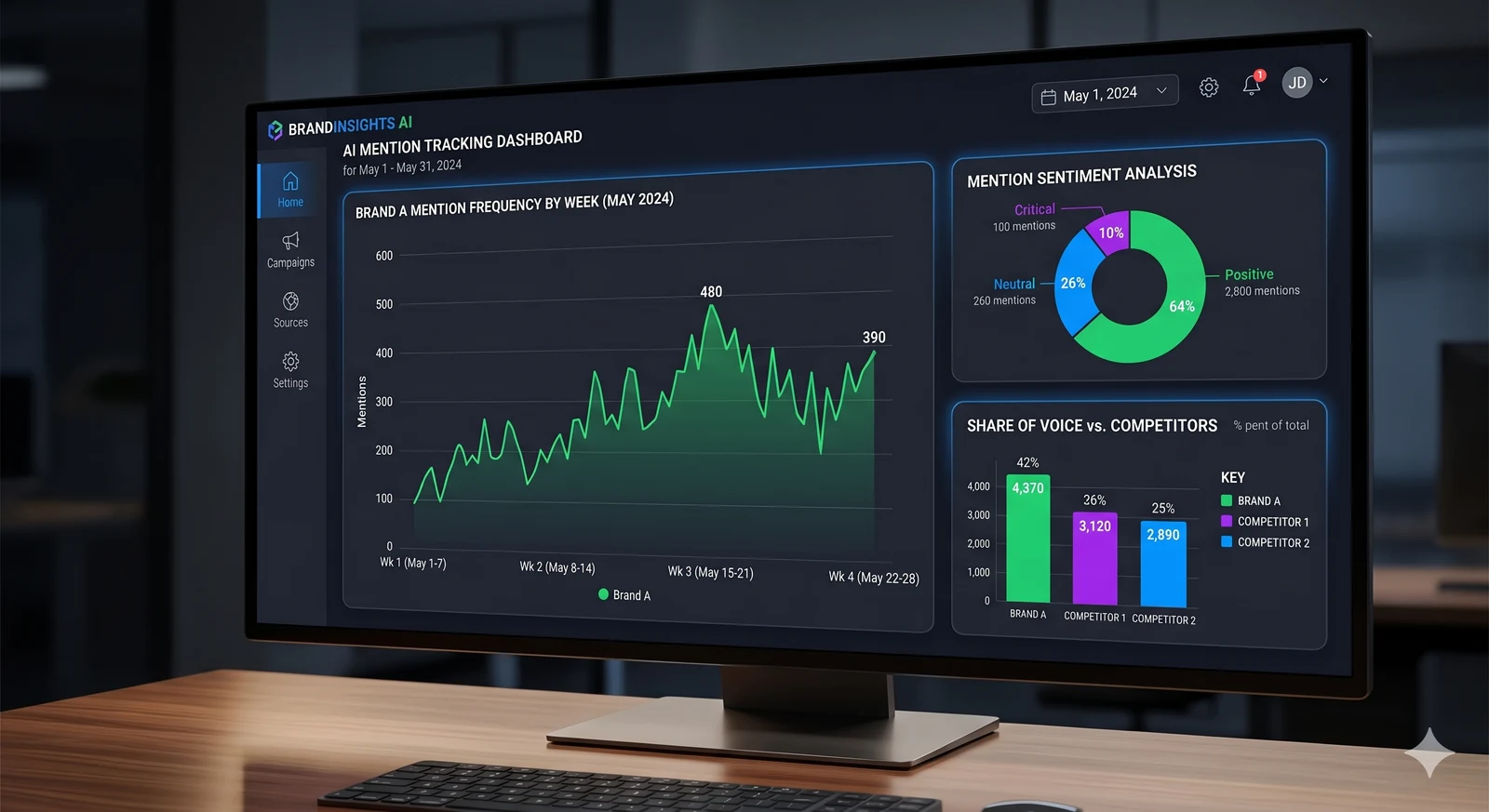
- Run scheduled prompts against ChatGPT, Gemini, Perplexity, Claude, and DeepSeek
- Record whether your brand was cited in the answer
- Record share of voice versus named competitors on the same prompts
- Record which third-party sites the AI models cited (the source domain analysis)
- Trend all of the above over 4–12 weeks
That citation event is your measurement of zero-click brand exposure. Pair it with your AI referral traffic (the fraction that do click through, visible in Google Analytics) for the full zero-click picture.
What Wins in the Zero-Click Era
The tactical playbook for the zero-click AI search era:
1. Optimize for the Citation, Not the Click
The exposure event has moved. When AI models cite your brand inside a zero-click answer, that’s your top-of-funnel event now. Measure citation frequency across every major AI platform on a scheduled prompt set. Full playbook in our prompt monitoring guide.
2. Compete for the Slot, Not the Rank
Google gave ten organic slots per SERP. AI gives one synthesized answer per query. The competition compressed from top-10 to top-1-cited. Share of voice tracking — your citation rate versus named competitors — is the new rank tracking.
3. Build Authority Signals AI Models Trust
AI models weight source authority heavily when deciding what to cite. Third-party citations, Reddit sentiment, structured data, expert content, and citable statistics with clear sources all move the citation needle. Our brand mention tracking playbook covers the off-site side of this.
4. Structure Every Page for Extraction
Direct-answer paragraphs, FAQ schema, comparison tables, citable statistics — every substantive page needs to be structured for AI extraction. The AI answer is the destination now, not the click-through page. Content that reads well linearly but doesn’t extract cleanly gets left out of citations.
5. Prioritize Middle-Funnel Research Content
Comparison pages, category guides, and in-depth reviews become disproportionately valuable in the zero-click era. They’re the content type AI models cite most often when composing longform recommendation answers. This is where zero-click brand exposure compounds.
6. Run AEO and GEO in Parallel
Both AEO (answer-engine optimization) and GEO (generative-engine optimization) are measurement layers for the same zero-click outcome. Run them together on the same content strategy. Full framework in our AEO vs GEO guide.
Zero-Click for Publishers vs Brand Websites
Zero-click search is genuinely disruptive for publisher business models that depend on ad-monetized clicks — display ad revenue drops when the answer resolves inside the AI and the user never lands on the article.
For brand websites (SaaS, ecommerce, B2B), the picture is more mixed:
- Yes, top-of-funnel clicks drop
- But citations inside AI answers still produce brand exposure that shapes downstream purchase intent
- The fraction of AI sessions that do click through tend to be higher-intent than pre-AI organic clicks
- Brand recall from AI citations shows up in direct traffic, branded search, and demo requests
The strategic response is the same for both: measure citations, not just clicks. Structure content to win the citation slot inside the AI answer. Track share of voice against competitors. Move fast, because the brands that shift measurement early inherit the zero-click era.
Zero-Click AI Visibility Tools in 2026
The best zero-click AI visibility tools in 2026 — the platforms that measure the brand-exposure events happening inside AI answers where the user never clicks through:
| Tool | Zero-Click Positioning | Best For |
|---|---|---|
| Sanbi.ai | Multi-model tracking + source domain analysis + Recommended Tasks + Geographic Dominance | Teams that want zero-click tracking and the content workflow to win more citations — from $37.25/mo |
| Profound | Enterprise prompt volume + Zero Click event series + Agent Analytics | Enterprise budgets, category convening |
| Peec AI | Regional prompt tracking, EU focus | Mid-market with region-specific zero-click needs |
| Scrunch AI | Clean visual dashboards | Simplicity-first marketing teams |
| AthenaHQ | Enterprise dashboarding | Enterprise reporting depth |
| SE Visible | SE Ranking bolt-on | Existing SE Ranking users |
For the full head-to-head, see the top AI visibility platforms 2026 roundup and the best AI visibility tools guide.
The Bottom Line on Zero-Click Search
The click was the metric for the search era. The citation is the metric for the AI era.
- Zero-click sessions are the default inside AI platforms
- Brand exposure now happens inside answers, not on your website
- Traditional SEO analytics are blind to most zero-click exposure events
- AI visibility platforms are the measurement layer built for this reality
- The content strategy that wins is answer-first, extraction-friendly, and cited by name
Start measuring your zero-click AI exposure this week with Sanbi.ai — run your buyers’ real prompts across ChatGPT, Gemini, Perplexity, Claude, and DeepSeek, see exactly where your brand gets cited today, and get the prioritized plan to win more citations in the zero-click era.
Frequently Asked Questions
Zero-click search describes a search session that ends without the user clicking through to any source website. The user gets their answer directly on the search results page — inside a Google AI Overview, a featured snippet, an AI answer from ChatGPT or Perplexity, or a voice-assistant response — and never visits the site the answer was drawn from. Zero-click search was already growing pre-AI (SparkToro's research showed ~65% of Google searches ended without a click by 2020), but the AI search era accelerated it: generative models synthesize answers so completely that clicking becomes optional.
Zero-click search is a bigger deal in the AI era because generative AI answers are fundamentally more complete than a featured snippet ever was. When Google shows a featured snippet, users often click through for more context. When ChatGPT or Gemini synthesize a full multi-paragraph answer with reasoning, comparisons, and recommendations, the click becomes redundant — the answer is already the destination. The result: entire buyer research journeys now happen inside the AI, with the source websites only visible as small citation links most users never click. This is what the Profound Zero Click event series was built to name.
Profound Zero Click is Profound AI's event and content franchise built around the thesis that AI search is producing zero-click sessions at massive scale. The series includes Zero Click NYC, Zero Click SF, and Zero Click London — in-person events for marketers and AI visibility practitioners, plus the tryprofound.com/zeroclick research and content hub. Profound uses the Zero Click framing to make the case that traditional SEO metrics (rankings, clicks, sessions) are becoming lagging indicators, and that citation frequency inside AI answers is the new leading indicator.
Zero-click search is not killing SEO — it is transforming what SEO measures. Traditional SEO measured rankings and clicks; zero-click reality forces SEO to measure two additional things: (1) citations inside AI answers where the user never clicks (still a brand exposure event that shapes purchase intent), and (2) the fraction of AI sessions that do click through and where those clicks land. The underlying content strategy that wins in the zero-click era — direct-answer content, schema, citable statistics, comparison pages — is the same content strategy that ranks well in traditional Google. SEO is expanding, not dying.
Zero-click AI sessions are invisible to Google Analytics — the user never landed on your site, so there is no session to record. Tracking zero-click brand exposure requires AI visibility tools that measure the AI answer directly. Sanbi.ai, Profound, Peec AI, and Scrunch run scheduled prompts against ChatGPT, Gemini, Perplexity, Claude, and DeepSeek, then record whether your brand was cited in the answer. That citation event is your measurement of zero-click brand exposure. Pair it with your AI referral traffic (the fraction that do click through) for the full picture.
What wins in the zero-click AI search era: (1) brand mention frequency inside AI answers — citation is now the exposure event, click is secondary; (2) share of voice versus named competitors on the same buyer prompts — you compete for a slot in one synthesized answer, not one of ten blue links; (3) authority signals that AI models trust — third-party citations, Reddit sentiment, structured data, expert content; (4) content structured for extraction — direct answers, FAQ schema, comparison tables, citable statistics. Brands that shift measurement from clicks to citations early inherit the zero-click era. Our [prompt monitoring playbook](/blog/prompt-volume-llm-prompt-monitoring-reddit) covers the mechanics.
Estimates vary by AI platform and query type, but the honest range: 70–90% of AI answer sessions resolve without a click to any source website. ChatGPT, Perplexity, and Google AI Overviews all resolve most queries inside the answer surface. Voice assistants (Alexa, Siri, Google Assistant) are functionally 100% zero-click by design. The fraction that do click through concentrates on complex research queries where users want to verify sources or dig deeper — comparison shopping, technical documentation, high-consideration purchases. Zero-click is the default; the click is the exception.
Zero Click NYC, Zero Click SF, and Zero Click London are Profound's regional event series — in-person gatherings for AI visibility practitioners, marketing engineers, and brand teams building AI search programs. Zero Click NYC and Zero Click SF are the flagship US events; Zero Click London extends the series into the European market. The events, marketed at tryprofound.com/zeroclick, tryprofound.com/zeroclick/ny, and tryprofound.com/zeroclick/sf, position Profound as the event convener for the AI visibility category. Attending is optional — the underlying discipline (multi-model AI citation tracking, AEO/GEO content, prompt monitoring) is available through every serious AI visibility platform including Sanbi.ai.
No — Profound Zero Click events are useful for networking and category education but they are not required to run a serious AI visibility program. The underlying skills (prompt monitoring, citation tracking, AEO/GEO content) are widely taught, well-documented, and available through every credible AI visibility platform. Sanbi.ai, Peec AI, Scrunch AI, AthenaHQ, and other Profound alternatives ship the same measurement outputs. Attend Zero Click for the community; run your AI visibility program with the platform that best fits your budget and workflow.
Zero-click search changes content strategy in three ways: (1) the top of the funnel is no longer a click event — it's a citation event inside an AI answer, so measurement shifts from traffic to citation frequency; (2) every page has to be structured for AI extraction (direct answers, schema, FAQ, comparison tables) because the AI answer is now the destination, not the click-through page; (3) middle-of-funnel research content (comparison pages, category guides, in-depth reviews) becomes disproportionately valuable because it's the content type AI models cite when composing longform recommendation answers. Content strategy in the zero-click era is answer-first, extraction-friendly, and measured by citations first.
Tools that measure zero-click AI visibility — the brand-exposure events happening inside AI answers where the user never clicks through — include Sanbi.ai (multi-model tracking + Recommended Tasks + AI content engine + Geographic Dominance, from $37.25/mo), Profound (enterprise prompt volume + Zero Click research), Peec AI (regional prompt reporting), Scrunch AI (visual dashboards), AthenaHQ (enterprise dashboarding), and SE Visible (SE Ranking bolt-on). All measure the same core outputs: citation frequency, share of voice, and source domain analysis across ChatGPT, Gemini, Perplexity, Claude, and DeepSeek. The differences are in workflow, price, and geographic coverage.
Zero-click search is genuinely disruptive for publisher business models that depend on ad-monetized clicks — display ad revenue drops when the answer resolves inside the AI. For brand websites (SaaS, ecommerce, B2B), the picture is more mixed: yes, top-of-funnel clicks drop, but citations inside AI answers still produce brand exposure that shapes downstream purchase intent, and the fraction of AI sessions that do click through tend to be higher-intent than pre-AI organic clicks. The strategic response is the same for both: measure citations, not just clicks, and structure content to win the citation slot inside the AI answer.